6 Warning Signs Engine Diagnostics Catch Before Your Truck Leaves You Stranded
Discover six warning signs engine diagnostics catch early to prevent diesel truck breakdowns, reduce downtime, and protect engine performance.
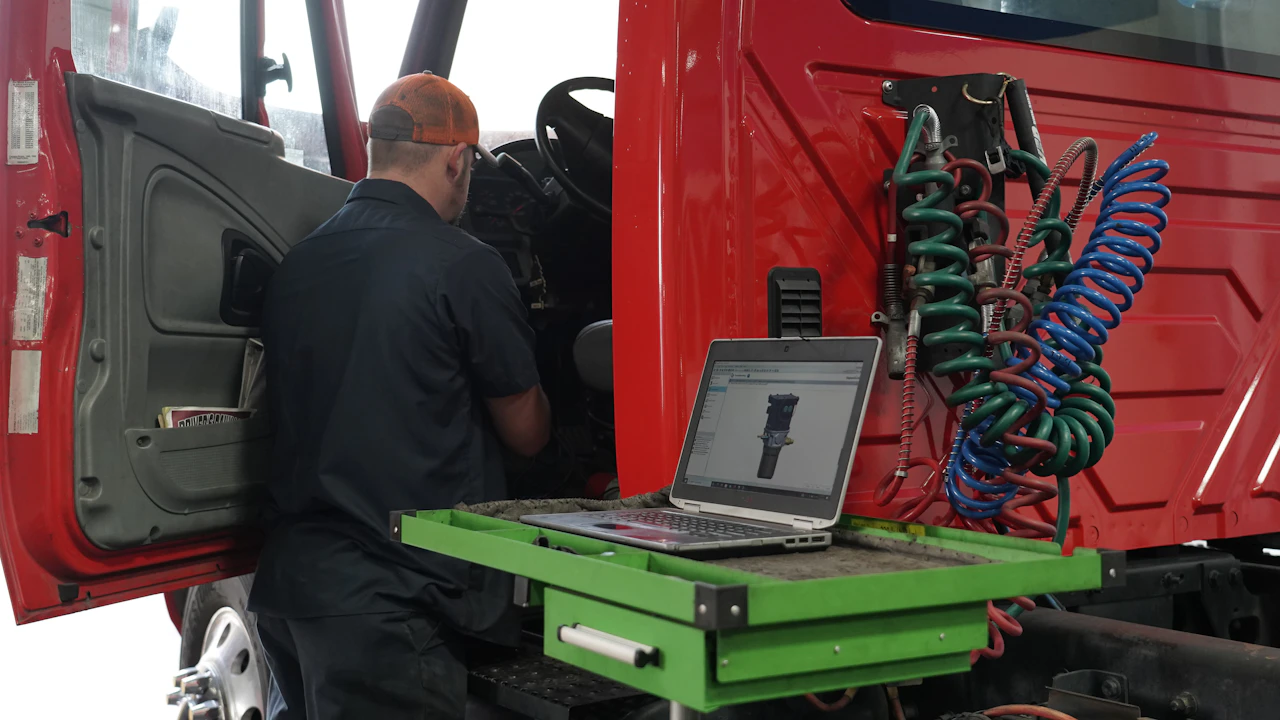
It’s rare that a breakdown “just happens”. In fact, more often than not, your diesel engine will start whispering long before it starts screaming. The problem? It’s not always easy to catch early warning signs from the driver’s seat.
That’s where engine diagnostics earn their keep. Modern trucks constantly track performance data, looking for patterns that signal trouble ahead. When used correctly, diagnostics catch small issues early, long before you’re stuck on the shoulder watching your schedule fall apart.
Below are six common problems diesel engine diagnostics often uncover early, and why paying attention to them can keep your truck on the road and out of the shop.
1. Early Signs of Combustion Problems
The thing about diesels is they live and die by proper combustion. The perfect mix of air, fuel, and compression must align perfectly. When one cylinder starts falling behind, diagnostics usually notice before you do.
While driving, you might notice a slight vibration, a rough idle, or a drop in fuel economy. However, diagnostics can identify cylinder balance issues, injector timing problems, or glow plug failures almost immediately.
Catching combustion issues early helps prevent damage to pistons, crankshafts, and exhaust components. The challenge is that when left alone, a minor misfire can sometimes snowball into a much bigger repair.
2. Fuel System Trouble Before the Truck Loses Power
Fuel delivery problems don’t usually start with a stall. They start small.
Diagnostics continuously monitor fuel pressure, injector response, and fuel temperature. When a fuel pump weakens or an injector starts to clog, the system records it long before your engine quits pulling hills.
Early detection of fuel system issues helps you avoid sudden power loss, hard starts, and roadside shutdowns. It also protects expensive injectors from damage caused by running lean or unevenly.
3. Cooling System Issues That Lead to Overheating
Engines don’t overheat instantly. They warm up gradually, struggle under load, and first show subtle warning signs.
Diagnostics track coolant temperature, fan clutch engagement, and engine load in real time. If airflow drops or coolant stops doing its job, the data reflects it. This is especially true, even if your dash gauge looks normal.
Catching cooling problems early prevents warped components, blown head gaskets, and shortened engine life. Diagnostics make it easier to identify and fix the root cause before heat causes real damage.
4. Oil Pressure Drops Mean Trouble
Oil pressure keeps your engine alive. When pressure starts to drop, diagnostics often catch it before a warning light comes on.
Low oil pressure can point to worn pumps, internal leaks, or contaminated oil. Any of these can lead to metal-on-metal contact fast.
Early diagnostics give you a chance to act before bearings fail or a simple repair turns into a full rebuild. In heavy-duty engines, oil pressure issues are never something to “wait and see.”
5. Emissions System Problems Before a Derate
Aftertreatment systems don’t usually fail all at once. They clog, misread, or struggle to regenerate over time.
Diagnostics monitor DPF soot levels, regeneration cycles, EGR flow, and DEF delivery. When something isn’t working, the system flags. And it happens, long before the truck enters limp mode.
Addressing emissions problems early helps you avoid power derates, forced shutdowns, and compliance issues. And you know that when you’re hauling or on a tight schedule, you don’t have time to waste on roadside downtime.
6. Electrical and ECM Issues That Cause Random Failures
Today’s diesel trucks rely heavily on electronics. The ECM controls fuel delivery, timing, emissions, and more.
Diagnostics monitor sensor signals, module communication, and voltage levels. Loose connections, failing sensors, or wiring issues often show up in data before they cause no-starts or erratic behavior.
Early detection prevents those frustrating “it only happens sometimes” problems that are hardest (and most expensive!) to track down later.
Why Engine Diagnostics Matter More Than Ever
Heavy-duty trucks work hard. Long hours, heavy loads, and heat put constant stress on every system.
Diagnostics are an early warning system, translating raw data into clear signals that something requires attention. Staying ahead of problems helps protect:
- Engine life
- Fuel efficiency
- Emissions compliance
- Uptime and reliability
Preventive diagnostics are a key part of smart diesel engine maintenance, helping you fix issues before they leave you stranded on the roadside.
Make Diagnostics Part of Your Routine
You should note that diagnostics don’t replace experience. In fact, they support it. When skilled technicians pair real-world knowledge with accurate data, problems get solved faster and more completely.
If your truck feels different, sounds off, or just isn’t performing like it should, don’t wait for a breakdown to confirm it.
Regular engine diagnostics help you stay ahead of failures and keep your truck working, not waiting.
Don’t Skip Engine Diagnostics
From fuel delivery issues to oil pressure drops and emissions faults, diagnostics catch warning signs early. And they do this before they turn into breakdowns. Paying attention to diagnostic data protects your engine, your schedule, and your bottom line.
So if your truck is giving you the hint that maybe something’s not working, give us a call. The Tri County Truck & Trailer Repair team has you covered.
Contact Us
Get in touch with us today to schedule the services you require at the location nearest you, or to inquire about our mobile & roadside services!
Service Request Form
Prefer to fill out a service request form? Use the link below!

.avif)