What Truck Defects Can Create DOT Inspection Problems for Florida Fleets?
A worn brake, damaged tire, failed light, or leaking air line can turn an ordinary Florida freight run into a DOT inspection problem. Learn which defects fleets in Miami, Medley, Ocala, and Lakeland should catch before trucks leave the yard.
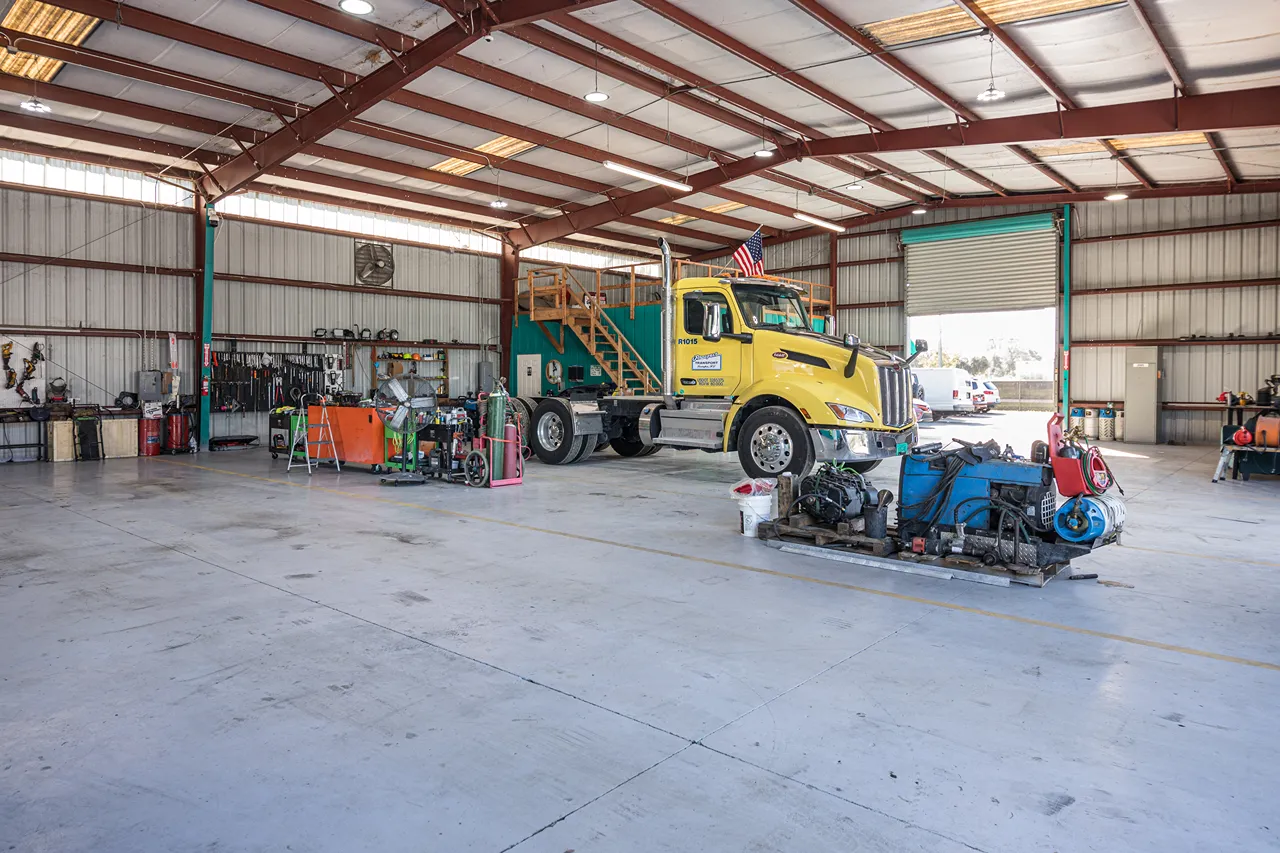
A truck can look road-ready in the yard and still have a defect serious enough to cause DOT inspection problems a few miles later. Worn brakes, damaged tires, failed lights, and air leaks often start as routine maintenance concerns before turning into roadside violations.
Florida fleets can lower that risk by finding those defects before the truck enters traffic.
Which Brake Defects Can Cause DOT Inspection Problems?
Brake defects should be one of the first areas you check because heavy-duty air brakes depend on several components working together. Worn brake linings or pads, damaged drums or rotors, excessive pushrod travel, defective slack adjusters, air leaks, and damaged hoses can all create inspection concerns.
Brake systems use compressed air to move the service chamber diaphragm, pushrod, slack adjuster, and S-cam. If one part cannot move or adjust correctly, braking force may become inconsistent or insufficient.
That matters in South Florida, where tractors operating around Medley freight facilities, warehouses, and PortMiami-related drayage routes often spend hours in stop-and-go traffic. Frequent braking along SR 826/Palmetto Expressway and surrounding industrial corridors can increase wear compared with steady highway cruising.
Fleets around Ocala and Lakeland face a different pattern. Trucks running long distances on I-75 or I-4 may build mileage quickly, making regular air brake inspection and preventive maintenance especially important.
What Tire Defects Should Florida Fleets Watch For?
Tire defects can develop gradually, but an inspector only sees the truck's condition at the time of inspection. Low tread, exposed material, cuts, bulges, air leaks, sidewall damage, and other unsafe conditions can create serious problems.
Your drivers should check more than whether a tire simply looks inflated. A proper commercial truck tire inspection should include tread condition, visible damage, inflation concerns, irregular wear, and signs that something at the wheel end may be contributing to premature tire wear.
Florida heat makes those inspections even more important. Long periods of high pavement temperatures can add stress to tires already dealing with heavy loads and long interstate mileage.
October offers a practical opportunity to check tires after months of summer heat. Fleets can identify worn or damaged tires before heavier year-end freight schedules make maintenance windows harder to find.
How Can Lighting And Electrical Defects Create Inspection Problems?
Truck lighting violations often start with simple problems: an inoperative lamp, loose electrical connector, damaged harness, corroded terminal, or trailer wiring fault.
The tractor may be fine while the trailer creates the problem. That is why fleets that frequently swap trailers should inspect the entire tractor-trailer combination rather than assuming a recently serviced tractor is automatically inspection-ready.
South Florida moisture and humidity can also contribute to electrical trouble. Repeated exposure to heavy rain can affect connectors, sockets, wiring, and other exposed components.
Lighting conditions become especially important for overnight freight, early-morning warehouse deliveries, and drayage movements around Miami-Dade. The same applies to regional trucks operating before sunrise along I-75 near Ocala or I-4 around Lakeland.
Which Air-System Defects Require Attention?
The air brake system relies on a steady supply of compressed air moving through tanks, valves, hoses, and brake chambers. Audible leaks, chafed hoses, damaged reinforcement, heat damage, improper hose repairs, bulging, and restricted lines deserve immediate attention.
A small leak should not become something your fleet simply learns to live with. Air loss can worsen, and damaged hoses can deteriorate further as vibration, heat, moisture, and road debris continue affecting them.
Technicians should inspect areas where lines rub against frames, brackets, or other components. Frequent trailer changes also make glad hands, connections, and trailer air lines worth checking during every pre-trip inspection.
For trucks leaving a Medley yard and heading toward Florida's Turnpike or I-75, catching a damaged line before dispatch is far easier than dealing with an inspection issue on the road.
Can Cargo Securement Problems Lead To DOT Violations?
Yes. Cargo securement violations can create inspection problems when freight is inadequately restrained or when securement devices are damaged, loose, insufficient, or improperly used.
Flatbeds, construction trucks, equipment haulers, and general freight fleets should inspect tie-downs and securement hardware before every trip. Cargo can shift after departure, so drivers should also follow applicable reinspection requirements during the trip.
Securement matters across all three Florida operating environments. Miami-area fleets may handle frequent urban deliveries, while Ocala-area vocational and agricultural fleets may carry equipment or materials on mixed local and highway routes.
Around Lakeland, warehouse and distribution fleets moving through Polk County often transition quickly from loading facilities to high-speed freight corridors. A securement problem discovered before the truck reaches I-4 is easier to correct than one discovered during enforcement.
What Wheel, Hub, Suspension, And Coupling Defects Can Cause Problems?
Wheel-end and chassis defects may not always be as obvious as a flat tire or dead lamp. However, damaged wheels, loose suspension components, hub problems, bearing issues, or coupling defects can all affect safe operation.
Wheel-end inspection should include obvious wheel and rim damage, hub condition, abnormal heat, bearing concerns, and visible lubricant leaks. Bearings allow wheels to rotate with minimal friction, and lubrication helps control heat and wear.
Technicians should also inspect suspension components for damaged or loose parts. Heavy-duty suspension supports vehicle and cargo weight while helping the truck absorb road impacts, so worn components can affect handling and stability.
Coupling equipment deserves the same attention. Fifth-wheel, kingpin, mounting, and related coupling problems can become serious safety concerns, particularly on tractors that hook to different trailers throughout the week.
Why Do Florida Operating Conditions Affect Inspection Readiness?
Florida fleet maintenance is shaped by heat, rain, humidity, urban congestion, and high annual mileage.
Medley and Miami fleets often deal with warehouse traffic, frequent stops, trailer swapping, and dense commercial routes. That combination can place added demand on heavy-duty truck brakes, tires, electrical connections, and trailer components.
Ocala fleets often depend heavily on I-75 for north-south freight movement. Long highway runs can add mileage quickly, making tire, hub, brake, and trailer inspections essential before dispatch.
Lakeland fleets operate near one of Central Florida's busiest logistics areas. Trucks moving between warehouses, I-4, Polk Parkway/SR 570, US 98, and US 27 can accumulate both highway and regional delivery mileage.
The operating environment changes, but the maintenance principle stays the same: find ordinary defects before they become enforcement problems.
Does An Annual DOT Inspection Guarantee Roadside Compliance?
No. An annual DOT inspection and a roadside inspection serve related purposes, but they are not the same thing.
Passing an annual inspection confirms that the vehicle met applicable requirements when it was inspected. It does not guarantee that a brake hose, tire, light, air line, or other component cannot fail afterward.
That is why documentation cannot replace preventive maintenance and daily pre-trip inspections. A truck can have valid annual inspection paperwork and still develop a defect that creates a roadside violation or out-of-service condition.
How Can Fleets Reduce DOT Inspection Problems?
A strong inspection-readiness routine does not need to be complicated.
Drivers and technicians should consistently check:
- Brake defects and air leaks
- Tire defects and tread condition
- Truck lighting violations and trailer electrical faults
- Air brake system hoses and connections
- Cargo securement violations
- Wheel-end inspection points
- Suspension and coupling components
- Wipers and visibility equipment
- Tractor and trailer condition after swaps
October is also a useful time for Florida fleets to review problems that may have accumulated through summer heat, heavy rain, and high mileage.
Keep Your Florida Fleet Inspection-Ready
Most DOT inspection problems do not appear out of nowhere. They often begin as ordinary maintenance defects that become more serious when they go unnoticed.
Consistent preventive maintenance, pre-trip inspections, and attention to brakes, tires, lights, air systems, cargo securement, and wheel ends can help Florida fleets keep trucks safer and reduce unnecessary roadside interruptions.
At Tri County Truck & Trailer Repair, we help fleets identify maintenance concerns before they turn into larger problems. If you operate trucks around Miami, Medley, Ocala, Lakeland, or surrounding Florida freight corridors, schedule your inspection or maintenance visit by giving us a call at 786-879-2275.
FAQs
What are the most common truck defects that can cause DOT inspection problems?
Brake problems, unsafe tires, defective lights, damaged air-system components, cargo securement issues, and wheel or suspension defects can all create inspection problems. Fleets should inspect both the tractor and trailer before dispatch.
Can a truck pass an annual inspection and still receive a roadside violation?
Yes. An annual inspection reflects the vehicle's condition when that inspection occurred. A component can wear, fail, or become damaged afterward, so valid inspection paperwork does not guarantee the truck will remain defect-free.
Why are brake inspections especially important for Florida fleets?
Florida fleets may operate in heavy urban traffic, high temperatures, and high-mileage interstate environments. Repeated braking, heat, and accumulated mileage can contribute to wear, making regular brake and air-system inspections important.
Should fleets inspect trailers every time they are swapped?
Yes. A tractor may be mechanically sound while the replacement trailer has lighting, tire, air-line, brake, or securement problems. Inspecting the complete combination helps catch defects before the truck leaves the yard.
How often should drivers check for DOT-related defects?
Drivers should perform required pre-trip inspections and remain alert to defects during operation. Fleets should also use preventive maintenance schedules to inspect wear items before they become serious safety or compliance concerns.
Contact Us
Get in touch with us today to schedule the services you require at the location nearest you, or to inquire about our mobile & roadside services!
Service Request Form
Prefer to fill out a service request form? Use the link below!

